
5 Injury Prone Exercises in Gym
These days almost everyone works out to stay healthy, from teenagers to busy working women. For many people the gym is the most convenient way to control their weight, build muscle, stay fit and keep in shape. Yet many gym injuries come from ordinary exercises done with poor form.
The people most at risk are beginners in a hurry to build muscle or bulk up. They often skip proper guidance and copy other lifters in the gym, a magazine routine or a wrestler's workout video instead. That can be dangerous, and the injuries are sometimes severe. Before you start any new fitness routine, ask a qualified trainer to check your form and advise you on suitable weights and how long to train. Here are five exercises that can keep you out of the gym if you do them carelessly, and how to do each one safely.
1. Bench press
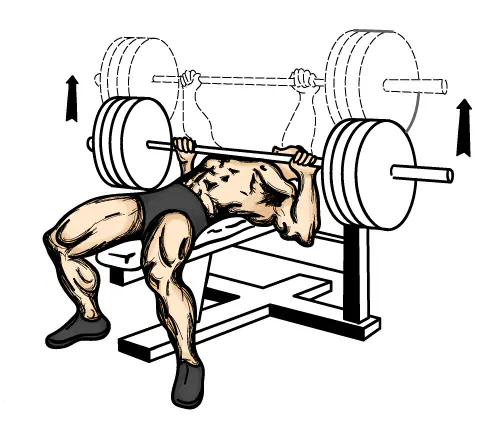
The bench press has been a gym staple for generations, and almost everyone does it in pursuit of a bigger chest. Get it wrong, though, and a bench press injury could stop you training for several weeks.
Common bench press mistakes
- Uneven hands. If your hands are not the same distance from each end of the bar, one side takes more load than the other.
- A grip that is too wide or too narrow. This shifts the pressure off your chest and onto your shoulders and triceps. Those smaller muscles become overloaded, which can cause an injury on the spot.
- Going heavy without a warm-up. Excitement tempts people to load the bar straight away. Warm up first with push-ups or some cardio. You may feel nothing at the time you lift, but cold muscles are not ready for a heavy load and can be damaged.
- Moving the bar too fast. Bouncing the bar up and down quickly, with your hands drifting at different angles, can sprain a muscle. A doctor may then tell you to rest for two to three weeks.
2. Leg press
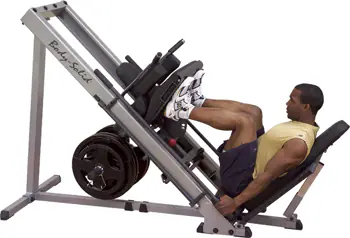
No leg workout feels complete without the leg press, and almost every regular gym-goer uses it. It also makes this list. The machine lets you push very heavy weights, even when your form is poor, so mistakes are easy to miss.
Why is the leg press so risky?
The first problem is your head. Many people lift it forward to watch their legs and the weight moving. Bending your neck like this puts a great deal of stress on the joints of your neck.
The second mistake is one that most people overlook. They focus only on their feet and let their bum lift off the seat at the bottom of each rep. That places intense pressure on the spine and can lead to sudden or long-term back problems.
You may not feel any symptoms straight away. But with these mistakes, you end up working your lower back and neck in a harmful position instead of building your legs. Keep your head back on the pad and your hips on the seat throughout.
3. Lat pull-downs
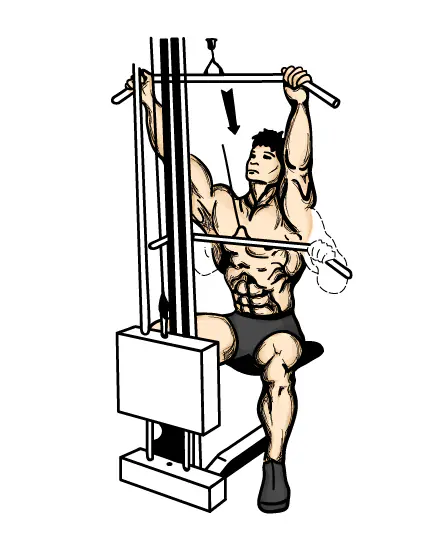
Everyone from big bodybuilders to complete beginners uses lat pull-downs, and many back workouts start with them. They work the back muscles better than most exercises. Done the wrong way, though, they can cause shoulder impingement, a rotator cuff tear or a neck sprain.
Is pulling behind your neck safe?
This is where most of the trouble starts. Pulling the bar behind your neck forces you to bend your head forward and drag the bar down to the level of your head.
- Many people pull so hard that the bar strikes their neck or upper spine, causing a strain.
- The movement puts a huge amount of pressure on the neck and shoulders, and in the wrong direction, which can lead to injury.
- Pulling the bar down in front of you, to your upper chest, removes that needless strain.
There is an old gym joke that pull-downs were only invented because people grew too lazy or weak to do pull-ups, still the king of back exercises.
4. Squats on the Smith machine
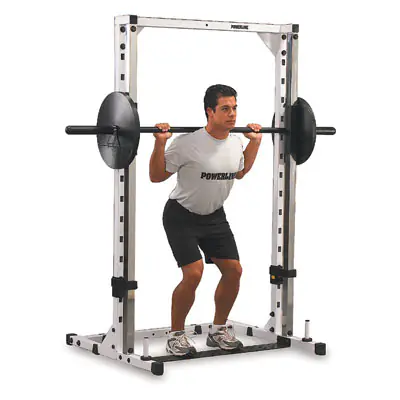
Squats are one of the best compound exercises for building muscle across the whole body. Heavy compound lifts like this also bring a short-term rise in your body's natural growth hormone. Bodybuilders recommend squats to everyone. If you want a strong lower body, with muscular legs and a firm stomach, you should squat at every leg session.
The trouble comes with easy, comfortable machines and shortcuts. They tend to bring slower progress and more injuries. The Smith machine is a good example.
Where should your feet go?
- A squat on the Smith machine feels easier, because the bar runs on fixed rails and only moves up and down. The weight always stays balanced.
- The problem starts when people place their feet further apart than they need to. This puts heavy pressure on the spine and back muscles.
- Keep your feet no wider than shoulder-width apart.
- As you lower, make sure your knees reach an angle of about 90 degrees before you push back up.
5. Crunches
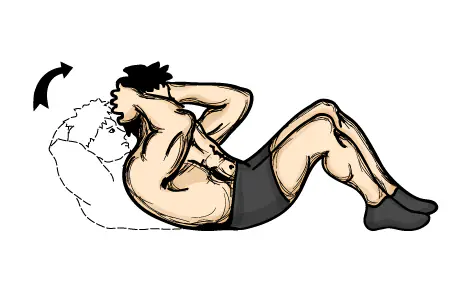
Think about abs and crunches are probably the first exercise that comes to mind. They are one of the oldest and best-known abs exercises. Yet the most injury-prone way of doing them is now the way you see most often in the gym.
How do you protect your neck?
The usual mistake is to tuck the chin in hard and haul the body up in an arc using the neck. This can damage the neck and cause a sudden muscle or tissue sprain.
- If you are new to crunches, slow down. Build up your sets and reps gradually, day by day, before you increase the speed of each crunch.
- Raise your knees, or rest your feet on a bench. This reduces the strain on your neck and back and puts the work onto your abs.
How can you avoid gym injuries?
These are the most common mistakes in some of the most important exercises in the gym. A few simple habits will protect you from almost all of them:
- Warm up for five to ten minutes before you lift, then do a light set of each exercise.
- Learn the correct form with light weights before you add load.
- Move the weight slowly and under control, never with a bounce or a jerk.
- Stop if you feel sharp pain, and see a GP or physiotherapist if it does not settle.
You may be eager to train every day. Remember that one small mistake or moment of carelessness can keep you out of the gym for months. Leave your ego at the door and stay focused in every session. If you are unsure how an exercise should look, our body building guides go through the correct form step by step.
More in Your Life

Whey Protein Benefits and Side Effects
Whey protein is one of the most popular supplements in any gym. It comes from cow's milk, and athletes and bodybuilders use it to help build muscle mass and support performance. Used…
Read more
Staying trim Without Hitting the Gym Everyday
Busy weeks leave little time for yourself, let alone a trip to the gym. Even so, you can stay trim without going every day. Small habits spread through your day add up,…
Read more
Health Benefits of Papaya
Papaya is a sweet, juicy tropical fruit that is also good for you. It is easy to find all year round, and it is rich in vitamin C, vitamin A and beta-carotene.…
Read more