
Pull Ups for Back
Pull-ups are among the oldest strength exercises there are, and they are still widely seen as the king of back exercises. You hang from a bar and pull your own bodyweight up until your chin reaches it. Done properly, pull-ups for back training can activate almost every muscle in your back, and you need little more than a sturdy bar.
We rate pull-ups 9.4 out of 10, the highest score of any back exercise on this site. They can be hard for beginners, but with steady practice almost anyone can build the strength to do them well. This guide explains the difference between pull-ups and chin-ups, the correct form, the muscles used and a simple plan for getting your first full rep.
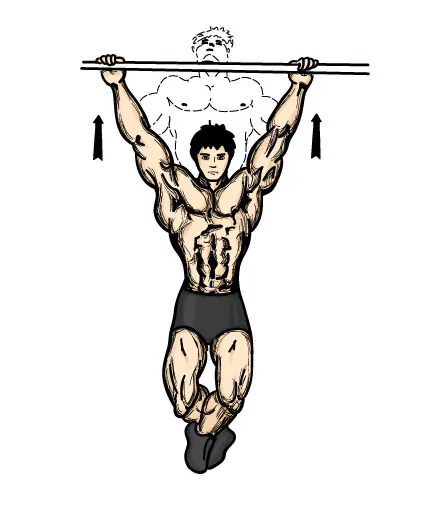
Pull-ups or chin-ups: what is the difference?
There are many variations of this exercise, and each one works if your form is good. The two most common are named after the grip you use.
- Chin-ups use an underhand grip, with your palms facing towards you and your hands about shoulder width apart. Your biceps help more, so most people find chin-ups slightly easier.
- Pull-ups use an overhand grip, with your palms facing away and your hands a little wider than your shoulders. This puts more of the work on your lats.
Some bars also have parallel handles, which give a neutral grip with your palms facing each other. It sits between the other two and is often the most comfortable choice for people with sore wrists or elbows.
Every one of these grips is good for your back. Many people start with chin-ups, then add pull-ups once they are stronger, and switching between them every few weeks keeps your training fresh.
Chin-up form, step by step
Getting into position
- Hold the bar tightly with your palms facing towards you. A fixed pull-up bar works well, as do the inside handles on a Smith machine.
- Hang with your arms straight and your body straight. Brace your stomach so your legs do not swing.
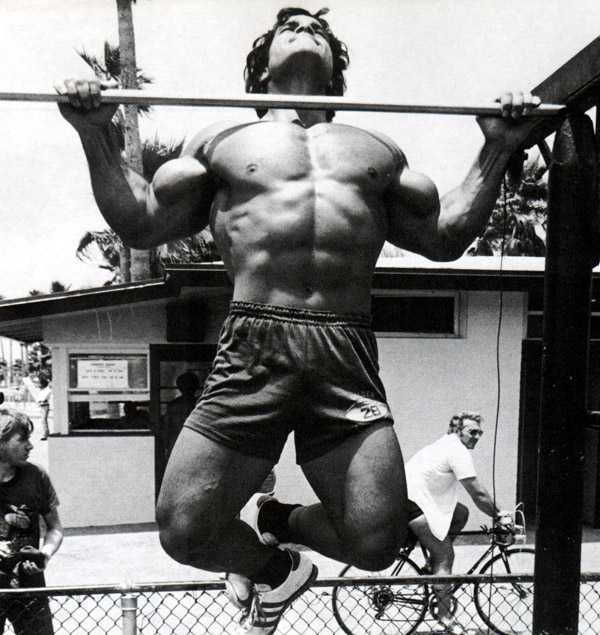
The pull and the descent
- Pull yourself up using the power of your back, forearms and biceps. Breathe out as you rise.
- Keep pulling until your chin is in line with the bar.
- Breathe in slowly as you lower yourself back down to the starting position.
- Throughout the movement, keep a correct, upright position. Avoid any jerking that would put pressure on your spine.
Try to drive your elbows down towards your hips rather than only bending your arms. Your back muscles then take a bigger share and each rep feels stronger.
Chin-ups on video
The video below shows the full movement. Use it to check how high you should rise and how slowly you should lower yourself.
Which muscles do pull-ups use?
The main target is your lats, the large muscles that run down the sides of your back and give your upper body its width. Your rhomboids and traps, between your shoulder blades, pull your shoulders back and down. Your biceps and forearms do a large share of the work too, especially in the chin-up, while your core works hard to keep your body still.
Because you lift your whole bodyweight, pull-ups also build real grip strength. Your body weight affects how hard they feel. If you lose some body fat while your back gets stronger, the exercise becomes noticeably easier.
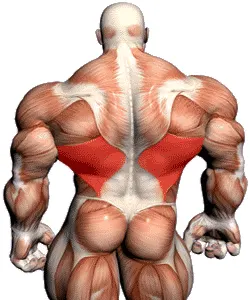
Check our muscle map for details of each of these muscles and where they sit in your body.
Can't do a pull-up yet? How to build up to one
Many people cannot manage a single pull-up at first. That is normal, and it improves quickly with practice. Try these steps two or three times a week.
Use a spotter
Beginners can ask a spotter to help them get their chin up to the bar. The spotter holds your feet or lower back and gives just enough help for you to finish the rep, then helps less as you get stronger. When you train alone, a resistance band looped over the bar and under one knee does a similar job. Move to a thinner band as you improve.
Practise slow lowering
Step up on a bench so your chin starts above the bar. Then lower yourself as slowly as you can, aiming for three to five seconds. These "negatives" build strength fast because muscles are stronger when lowering a weight.
Hang from the bar
Hanging from the bar with straight arms trains your grip and gets your shoulders used to the position. Start with 3 hangs of 15 to 20 seconds and build up to 30 seconds or more. From the hang, practise pulling your shoulder blades down without bending your arms. Every good pull-up begins with this small movement.
Build strength on the machine
The lat pull down trains the same muscles with a weight you can choose. As the weight you can pull gets close to your bodyweight, your first full pull-up is usually not far away.
Tips for smoother, stronger reps
- Keep your grip tight and the movement smooth from bottom to top.
- Do not swing or kick your legs while pulling yourself up. If you need momentum to reach the bar, end the set there.
- Lower yourself all the way until your arms are straight. Half reps build less strength.
- Start each rep from a still hang rather than bouncing out of the bottom.
For sets and reps, aim for 3 sets of as many clean reps as you can, resting two minutes between sets. Once you can do 3 sets of 10, you can add weight with a belt or move on to harder variations, such as a wider grip.
If you train at home with a doorway bar, check that it is fitted firmly and rated for your weight before every session. Test it with a gentle hang before you pull. Leave a day between pull-up sessions so your back, biceps and elbows have time to recover.
Pull-ups make a strong first exercise in any back session. Follow them with seated cable rows for thickness, and look through our best back exercises for more ideas. Keep a note of your reps each week so you can see your progress as it builds.
More in Back Exercises
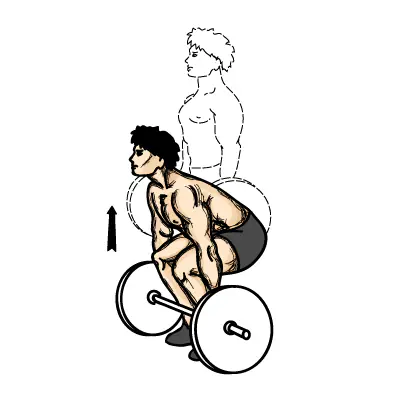
Deadlift
The deadlift is one of the best compound exercises you can do. In a single movement you lift a loaded barbell from the floor to standing, using your legs, hips, back and…
Read more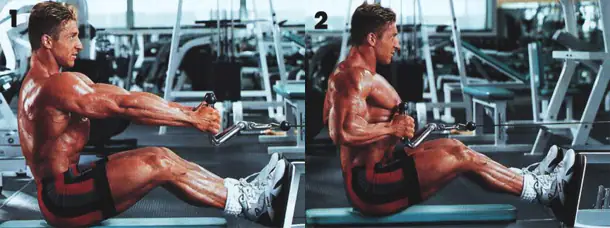
Seated Cable Rows
Seated cable rows are one of the most reliable ways to build a thicker, stronger back. You sit at a low cable station, pull a V-bar handle towards your stomach and let…
Read more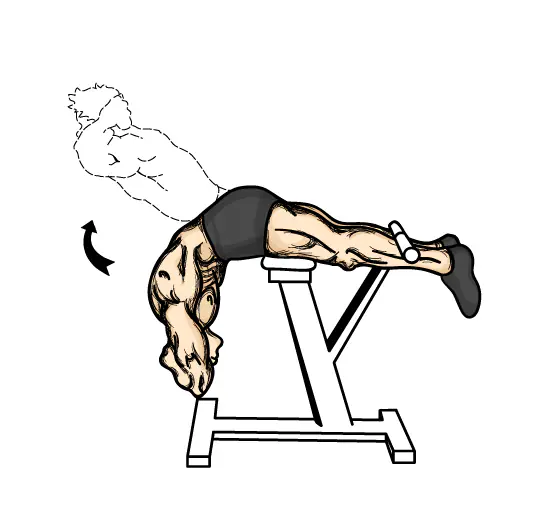
Back Hyperextension
The back hyperextension is a lower back exercise performed on a hyperextension bench, sometimes called a Roman chair. You lock your legs against the pads, lower your upper body towards the floor…
Read moreComments (9)
Show / hide
Comments are closed. These comments were preserved from the original site.
#1 Adriana
thanks for share!
#2 sem calcinha
pull ups are king for back.. really?
#3 Aureliana
awesome post for read…i hope everyone enjoy.
#4 Anita
your articles are the ones which gained my trust and admiration.
#5 Aureliza
had never heard about something like this. thanks for sharing it
#6 Backy
Many thanks for writing valuable post regarding the subject. I am a fan of your site. Maintain the great work.
#7 Estela
nice post.
#8 Gartenmöbel
Haha so true.
#9 Cailane
thank you for all the help.