
Pounds to Kilograms Calculator
To convert pounds to kilograms, multiply the number of pounds by 0.4536. One pound is exactly 0.45359237 kg, so 10 lb is about 4.54 kg and 100 lb is about 45.36 kg. Going the other way, one kilogram is about 2.2046 lb.
Our pounds to kilograms calculator below does the sum for you in a second. It is one of our most used tools, handy for logging your body weight, filling in a health form or working out what is on a barbell. Below the calculator you will find the formula, a quick reference table and tips for using the result.
How to use the pounds to kilograms calculator
Type the weight in pounds that you want to change into kilograms, then press the Calculate button. The answer in kilograms appears straight away.
You can enter whole numbers or decimals, such as 152 or 152.5. If you know your weight in stones and pounds, turn it into pounds first. Multiply the stones by 14, add the spare pounds, and enter the total.
For most everyday uses, rounding the answer to one decimal place is plenty. A bathroom scale is rarely more accurate than that, and gym plates come in fixed sizes anyway.
The formula behind the conversion
The pound has been defined in terms of the kilogram since an international agreement in 1959. That is why the factor is an exact figure: 1 lb = 0.45359237 kg. The calculator uses this value, so its answers are precise.
To do it by hand, use this formula:
- Kilograms = pounds × 0.4536
- Pounds = kilograms × 2.2046
For example, 150 lb × 0.4536 = 68.04 kg. And 80 kg × 2.2046 = 176.4 lb.
A quick mental shortcut
If you have no phone to hand, halve the number of pounds, then take away a tenth of that half. For 150 lb, half is 75 and a tenth of 75 is 7.5. So 75 minus 7.5 gives 67.5 kg, which is within about half a kilo of the exact answer. That is close enough for a rough check between sets.
Common conversion mistakes
Most errors come from mixing up the direction of the sum. As a sense check, the number of kilograms should always be smaller than the number of pounds, roughly half of it. If your answer is bigger, you have multiplied when you should have divided.
Other slips to watch for:
- Typing your weight in stones into a box that expects pounds. Twelve stones is 168 lb, not 12 lb.
- Rounding too early. Use the full figure until the final step, then round once.
- Using 2.2 as a shortcut on large numbers. It is close, but on 300 lb the gap grows to around 0.3 kg.
- Forgetting that some kitchen and luggage scales switch units when you press a button.
Quick reference table
The table below lists some common values, rounded to two decimal places. The heavier rows include the stone equivalent, as many people in the UK still weigh themselves in stones.
| Pounds | Kilograms |
|---|---|
| 1 lb | 0.45 kg |
| 5 lb | 2.27 kg |
| 10 lb | 4.54 kg |
| 20 lb | 9.07 kg |
| 25 lb | 11.34 kg |
| 45 lb | 20.41 kg |
| 50 lb | 22.68 kg |
| 100 lb | 45.36 kg |
| 140 lb (10 st) | 63.50 kg |
| 150 lb | 68.04 kg |
| 168 lb (12 st) | 76.20 kg |
| 200 lb | 90.72 kg |
| 224 lb (16 st) | 101.60 kg |
| 250 lb | 113.40 kg |
Why do gym-goers need to convert pounds and kilograms?
Weight training is full of mixed units. Many gyms have plates marked in kilograms, dumbbells marked in pounds, and training plans written in either. If you convert carelessly, your training log can show a jump or a drop in weight that never happened.
Loading the bar
A standard Olympic barbell weighs 20 kg, which is about 44 lb. Some bars, mostly in American-style gyms, weigh 45 lb instead, or about 20.4 kg. The difference is small on one lift but adds up across a programme.
Plates follow the same pattern. A 20 kg plate is 44.1 lb, while a 45 lb plate is 20.4 kg. If a plan tells you to add 5 lb a week, that is roughly 2.3 kg, so the nearest kilogram jump is a pair of 1.25 kg plates. Mixing pound and kilogram plates on one bar makes it hard to know what you lifted, so stick to one set where you can.
Body weight and nutrition
Most nutrition guidance is written per kilogram of body weight. UK guidelines suggest around 0.75 g of protein per kilogram each day for most adults. Someone weighing 176 lb (80 kg) would therefore aim for about 60 g a day. People who train hard often eat more than this, as our article on whey protein benefits and side effects explains.
Doctors, pharmacists and hospital records also use kilograms. If you are asked for your weight on a form, a kilogram figure saves the staff a sum and avoids mistakes.
Converting stones and pounds to kilograms
One stone equals 14 lb, which is 6.35 kg. To convert a UK weight such as 11 st 4 lb, first change it all to pounds. Eleven stones is 154 lb, and adding 4 lb gives 158 lb. Enter 158 in the calculator and you get 71.67 kg.
To go back from kilograms to stones, divide the kilograms by 6.35. The whole number is your stones. Multiply the leftover decimal by 14 to find the spare pounds. For example, 76 kg divided by 6.35 is 11.97, which works out at 11 st 13.6 lb, or just under 12 st.
Putting your result to use
Once you have your weight in kilograms, our other tools become easier to use, as they all accept metric values. A good place to start is the body mass index calculator, which tells you whether your weight is in a healthy range for your height.
After that, the daily calorie intake calculator estimates how much energy you need each day for your activity level. The body fat calculator goes a step further and estimates how much of your weight is fat rather than muscle.
Save this page and come back whenever you need a fast, accurate pounds to kilograms conversion. You will find the rest of our free tools in the calculators section.
More in Calculators
Daily Energy Expenditure Calculator
Your daily energy expenditure is the number of calories your body uses in a day. A large part of it goes simply on keeping you alive: breathing, pumping blood, repairing cells and…
Read more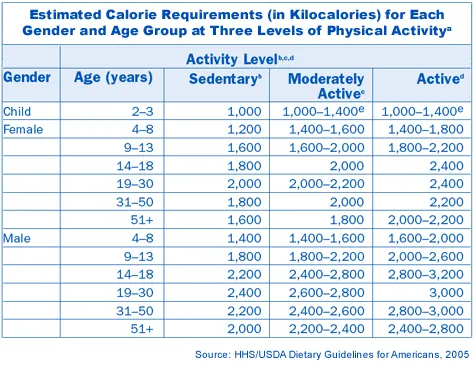
Daily Calorie Intake Calculator
Your daily calorie intake is the amount of energy you need from food and drink each day to stay fit and healthy at your current weight. As a rough guide, UK reference…
Read more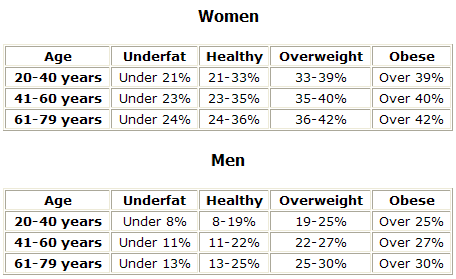
Body Fat Calculator
Your body fat percentage is the share of your total weight that is fat rather than muscle, bone, organs and water. It tells you far more about your health and fitness than…
Read more