
How to Reduce Everyday Stress
Stress touches almost everyone, from a child at school to a retired grandparent. Work, money, exams, family and health worries can all build up. You can't avoid every stressful moment, but you can reduce the harm stress does to your body and mind.
This page explains what stress does to you, then gives practical, everyday ways to reduce stress. It covers laughter, exercise, breathing, sleep and learning to relax. It ends with clear advice on when to speak to your GP or NHS talking therapies.
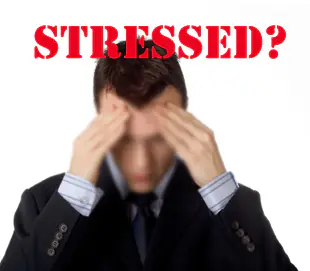
Why ongoing stress affects your health
Stress is meant to protect you. When you face pressure or danger, your body releases hormones such as adrenaline and cortisol. Your heart beats faster, your breathing quickens and your muscles tense, ready to act. For a short time, this helps you focus and respond.
Think of stress as an alert telling you that something needs to change. The problem comes when that alert stays switched on for weeks or months. Constant stress can affect your sleep, mood, digestion and immune system. Over time it is linked with problems such as high blood pressure. So don't ignore your stress, even if you feel you are coping.
Common signs of stress
- headaches, muscle tension or an upset stomach
- trouble getting to sleep, or waking in the night
- feeling irritable, anxious, low or overwhelmed
- finding it hard to concentrate or make decisions
- eating, drinking alcohol or smoking more than usual
Can laughter really help with stress?
Laughter is good for your health. A good laugh helps you relax and gives you a break from a tense situation. It can ease muscle tension and lift your mood for a while afterwards. Even smiling can help you feel a little calmer.
So make room to laugh often. Watch a comedy, spend time with friends who make you laugh, or share a funny story with family. Laughter won't solve the cause of your stress, but it can give you the breathing space to deal with it more calmly.
Practical ways to reduce stress every day
Stress management works best when you combine a few small habits. Try the ones below and keep those that suit you.
Get moving
Physical activity is one of the most reliable ways to ease stress. It burns off stress hormones, helps you sleep and lifts your mood. A brisk 20 to 30 minute walk counts, and so does cycling, swimming, dancing or a class at the gym. Our tips on staying active without the gym every day show how to fit movement into a busy schedule.
Slow your breathing
When you feel tense, sit or stand comfortably and breathe in gently through your nose for a count of four. Breathe out slowly through your mouth for a count of six. Repeat for three to five minutes. Slow breathing tells your body it is safe to calm down.
Protect your sleep
Stress and poor sleep feed each other. Keep regular bed and wake times, cut down on caffeine after lunch, and put screens away before bed. If worries keep you awake, write them down with one small next step for each.
Talk to someone
Sharing a problem with a friend, partner or colleague can make it feel more manageable. Staying in touch with people also protects your mental health over time. Many employers also offer a free, confidential support line that can include counselling.
Go easy on quick fixes
Alcohol, cigarettes and sugary snacks can feel like they help in the moment. In practice they tend to disturb sleep and leave you feeling worse later. Try a walk, a shower or a call to a friend instead. A workout can help as well, and our piece on why regular gym sessions are worth it explains how training lifts your mood.
Take control of your time
Write a short to-do list and pick the two or three tasks that matter most each day. Break big jobs into smaller steps, and say no to extra demands when you are already stretched. Regular short breaks will usually help you get more done.
Learning to relax
Relaxation is a skill, and like any skill it improves with practice. Setting aside 10 to 15 minutes a day is a good start.
- Muscle relaxation: tense each muscle group for a few seconds, then let it go, working from your feet up to your face.
- Mindfulness: focus on your breath, sounds or the feeling of your feet on the floor, and gently return your attention when your mind wanders.
- Time outdoors: a walk in a park or by water can help you switch off.
- Hobbies: cooking, gardening, music or reading give your mind a rest from worries.
Some people also try neurofeedback. This shows your brain activity on a screen so you can learn to change it and make relaxation a more natural part of your life. Interest in it is growing, but it is not a standard NHS treatment and the evidence is still limited. The simpler methods above are a better place to start.
When should you speak to your GP?
Everyday stress usually eases when the pressure passes or with the steps above. Speak to your GP if stress is affecting your daily life, your work or your relationships, or if it has lasted more than a few weeks. See them too if you feel low most of the time, have panic attacks or are struggling to sleep.
In England, you can also refer yourself to NHS talking therapies without seeing a GP first. These services offer free, proven help such as cognitive behavioural therapy (CBT) for stress, anxiety and depression. Search for NHS talking therapies online to find your local service.
If you ever feel you might harm yourself or cannot keep yourself safe, get help straight away. Call 999 or go to A&E in an emergency, call NHS 111, or ring Samaritans free on 116 123 at any time.
Where to start today
You don't need to change everything at once. Pick one habit, such as a daily walk or five minutes of slow breathing, and stick with it for a week. Once it feels normal, add another, and over a few months these small changes make stress easier to handle.
Looking after your body helps your mind too. Our guide to five things to keep you fit and healthy covers food, water, exercise and sleep, which all play a part in keeping stress under control.
More in Your Life
Whey Protein Benefits and Side Effects
Whey protein is one of the most popular supplements in any gym. It comes from cow's milk, and athletes and bodybuilders use it to help build muscle mass and support performance. Used…
Read more
Staying trim Without Hitting the Gym Everyday
Busy weeks leave little time for yourself, let alone a trip to the gym. Even so, you can stay trim without going every day. Small habits spread through your day add up,…
Read more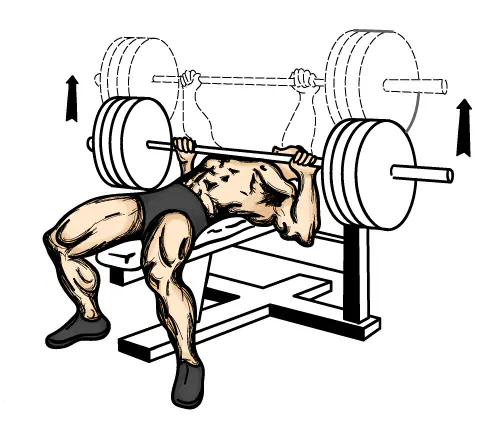
5 Injury Prone Exercises in Gym
These days almost everyone works out to stay healthy, from teenagers to busy working women. For many people the gym is the most convenient way to control their weight, build muscle, stay…
Read more