
Health Benefits of Papaya
Papaya is a sweet, juicy tropical fruit that is also good for you. It is easy to find all year round, and it is rich in vitamin C, vitamin A and beta-carotene. It also contains papain, a natural enzyme that helps break down protein.
The main health benefits of papaya come from its vitamins, fibre and water content. It supports healthy digestion and is a good choice for your heart, skin and eyes. This page explains what is in papaya, what the evidence says about its benefits, how to eat it and who should be careful.
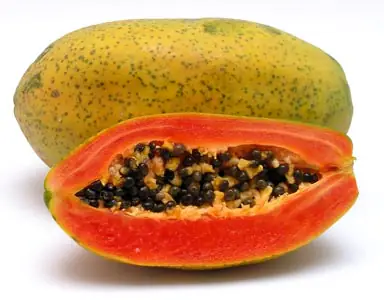
What nutrients does papaya contain?
Papaya is low in calories and fat, and most of its weight is water. Its bright orange flesh shows how rich it is in carotenoids, the plant pigments your body can turn into vitamin A. It also has small amounts of several B vitamins and some calcium.
| Nutrient | Why it matters |
|---|---|
| Vitamin C | Supports your immune system and skin, and helps you absorb iron from plant foods. |
| Vitamin A and beta-carotene | Help keep your eyes, skin and immune system healthy. |
| B vitamins | Present in small amounts; help your body release energy from food. |
| Fibre | Keeps your bowels regular and supports healthy cholesterol levels. |
| Calcium | Present in small amounts; helps build and maintain bones. |
| Papain | An enzyme that breaks down protein, which is why it is used as a meat tenderiser. |
How papaya helps your digestion
Papaya has a long-standing reputation as a natural remedy for indigestion and constipation. Much of this comes from its fibre and water, which soften stools and keep things moving. Easing constipation also means less straining, which can help with piles, including piles that bleed.
The papain enzyme breaks protein down into smaller pieces. This is why papaya and its juice are often said to make protein easier to digest, and why some people find it helpful for minor stomach upsets. Papaya also supports a healthy gut more generally, as fibre feeds the helpful bacteria in your intestines. Its vitamin C supports your immune system, which helps your body fight off infections, though it won't stop you catching a stomach bug.
If you have ongoing bowel problems, or any bleeding from your bottom, see your GP. Fruit can help, but these symptoms need checking.
Is papaya good for your heart and blood sugar?
Papaya is a good fruit choice for people with heart problems and for people with diabetes, as part of a balanced diet. Its fibre helps lower high cholesterol, and its vitamin C and carotenoids are antioxidants that support healthy blood vessels. It is also naturally low in fat and contains potassium, which helps control blood pressure.
If you have diabetes, papaya can be part of your meals because it is fairly low in sugar compared with many tropical fruits. Stick to one portion at a time and choose whole fruit over juice. Juice loses most of the fibre and raises blood sugar faster.
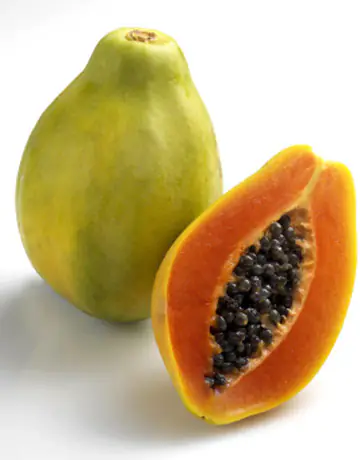
Papaya for skin, eyes and bones
The vitamin A your body makes from papaya's beta-carotene helps keep your skin healthy and supports good eyesight, especially in dim light. Vitamin C helps your body make collagen, the protein that keeps skin firm and helps wounds heal. Some people also use mashed papaya as a face pack, as in our guide to natural skin care for glowing skin.
Papaya contains some calcium, which helps make bones stronger. The amount is small, so you will still need dairy foods, fortified plant drinks or other calcium-rich foods to meet your daily needs.
What about cancer and swelling?
Diets rich in fruit and vegetables are linked with a lower risk of some cancers, and eating papaya regularly can be part of that. No single fruit has been proven to prevent cancer on its own, though. The same goes for spices, as our look at turmeric and cancer research explains.
The enzymes in papaya, especially papain, have been studied for reducing swelling in the body. Some people use papain supplements for this, but the evidence is still limited. Eating the fruit is safe for most people, while supplements are best checked with a pharmacist first.
How to eat papaya
A portion of about 80g, roughly a large slice, counts as one of your 5 A Day. Choose a fruit with mostly yellow-orange skin that gives slightly when pressed. Cut it in half, scoop out the black seeds and eat the flesh with a spoon, or peel and slice it.
If your papaya is still green and hard, leave it at room temperature for a few days to ripen. Once ripe, keep it in the fridge and eat it within two or three days. Wrap cut halves in cling film or store them in a covered tub so they don't dry out.
Simple ways to enjoy it
- Eat it at breakfast with milk or yoghurt. Many people find this combination helps with constipation.
- Add a squeeze of lime juice to bring out the flavour.
- Blend it into a smoothie with banana and oats.
- Dice it into a fruit salad or a fresh salsa for fish or chicken.
Can papaya raise your haemoglobin?
A traditional tip is to eat 3 to 4 slices of papaya every day for a few months to raise haemoglobin in your blood. Papaya itself contains little iron. However, its vitamin C helps you absorb iron from foods such as beans, lentils, leafy greens and fortified cereals. Eating papaya with these foods is a sensible habit. If you feel tired all the time or think you may be anaemic, see your GP for a simple blood test.
Who should be careful with papaya?
Ripe papaya is safe for most people. Unripe or semi-ripe papaya contains latex, which can trigger contractions, so pregnant women are usually advised to avoid it and only eat fully ripe fruit. People with a latex allergy may also react to papaya. If you take warfarin, check with your pharmacist before using papain supplements.
Enjoyed as part of a balanced diet, papaya is an easy, tasty way to add vitamins and fibre to your day. For more on eating well while staying in shape, see our tips on staying trim without the gym every day.
More in Your Life

Whey Protein Benefits and Side Effects
Whey protein is one of the most popular supplements in any gym. It comes from cow's milk, and athletes and bodybuilders use it to help build muscle mass and support performance. Used…
Read more
Staying trim Without Hitting the Gym Everyday
Busy weeks leave little time for yourself, let alone a trip to the gym. Even so, you can stay trim without going every day. Small habits spread through your day add up,…
Read more
5 Injury Prone Exercises in Gym
These days almost everyone works out to stay healthy, from teenagers to busy working women. For many people the gym is the most convenient way to control their weight, build muscle, stay…
Read more