
Turmeric Prevents Cancer
Turmeric has been used in India for centuries, both in cooking and as a traditional antiseptic. In recent years, Western scientists have also studied it, and headlines often claim that turmeric prevents cancer. The honest answer is that it has not been shown to do this in people.
Lab studies on curcumin, the main active compound in turmeric, have produced some interesting results, especially when it is combined with black pepper. Early trials in people are still small and unclear. This page explains what the research found, what is and isn't known, how to enjoy turmeric in your food, and who should be careful with it.
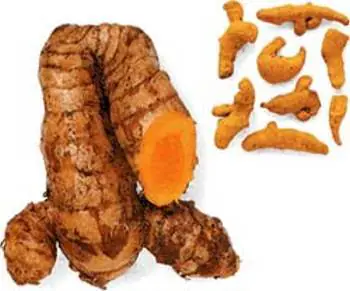
What did the University of Michigan research find?
The story behind many of the headlines came from researchers at the University of Michigan's cancer centre in the USA. They tested curcumin from turmeric and piperine, a compound from black pepper, on breast cells in the laboratory.
The mixture held back the growth of breast stem cells, the small group of cells thought to fuel the growth of some tumours. In these tests it did not affect the other, normal cells around them. It also slowed the formation of new tumour-forming cells. The researchers saw this as a promising lead for breast cancer prevention and a reason for further study.
The work suggested an idea worth testing, but it did not test whether eating turmeric protects anyone from cancer.
These were cells in a dish, not people. Lab tests are an early step in research. Many substances that stop cancer cells growing in a lab never work in the human body, often because the body cannot absorb or use them in the same way.
Can turmeric prevent cancer in people?
At present, there is no good evidence that eating turmeric or taking curcumin supplements prevents cancer in humans. UK cancer charities say the same. Curcumin has been studied in labs, in animals and in some early human trials, but these trials have been small and their results mixed.
Why it is hard to study
Curcumin is poorly absorbed. Most of what you swallow passes through the gut without reaching the bloodstream, and the body breaks it down quickly. That makes it hard to reach the levels used in lab studies just by eating it.
Large, long-term studies would be needed to show whether turmeric lowers cancer risk. These have not been done. Turmeric should never be used in place of cancer screening or medical treatment.
What it can offer
Turmeric is still a healthy, flavourful spice. It adds colour and taste without salt or sugar, and it is a natural part of many vegetable-rich dishes. Enjoy it for those reasons rather than as a medicine.
Why turmeric and black pepper go together
Black pepper contains piperine, which slows the breakdown of curcumin in the body. This is well documented and is why the two are often paired, both in recipes and in supplements. Eating turmeric with a little fat, such as oil, ghee or milk, may also help, as curcumin dissolves in fat rather than water.
Many traditional curries already combine turmeric, black pepper and oil. Adding a pinch of pepper to turmeric dishes is an easy habit, though it does not turn turmeric into a cancer treatment.
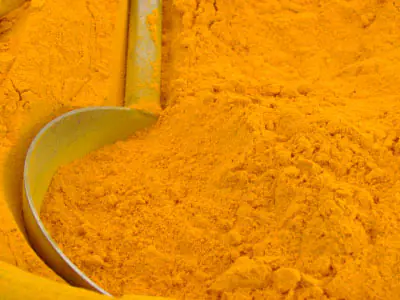
Easy ways to use turmeric in your cooking
Half to one teaspoon of ground turmeric in a family meal is a typical cooking amount. You can also use fresh turmeric root, grated like ginger. Wear gloves or wash your hands quickly, as it stains skin and worktops yellow. The same warning applies to the turmeric face packs in our natural skin care guide.
Everyday dishes
- Stir it into curries, dal, soups and stews with black pepper and a little oil.
- Add a pinch to rice or quinoa as it cooks for a golden colour.
- Toss vegetables such as cauliflower, carrots or potatoes in turmeric and oil before roasting.
- Mix it into scrambled eggs or an omelette.
Turmeric milk
Warm a mug of milk or a plant-based drink with half a teaspoon of turmeric, a pinch of black pepper and a little cinnamon or ginger. Sweeten lightly with honey if you like. It makes a comforting evening drink.
Who should be careful with turmeric?
Turmeric in normal cooking amounts is safe for most people. The risks mainly come from concentrated supplements, which contain far more curcumin than food. Speak to your GP or pharmacist before taking turmeric supplements if any of these apply to you:
- You take blood thinners, such as warfarin, or medicines like clopidogrel or aspirin. Turmeric may increase the risk of bleeding.
- You have gallbladder problems, such as gallstones or a blocked bile duct. Turmeric can make the gallbladder contract and may worsen symptoms.
- You take diabetes medicine, as turmeric may add to its effect and lower your blood sugar too far.
- You are pregnant or breastfeeding. Food amounts are fine, but supplements are not advised.
- You have liver problems. There have been reports of liver damage linked to high-dose turmeric supplements.
- You are having cancer treatment. Supplements can interfere with some treatments, so always check with your cancer team first.
- You have a surgery date. Stop supplements beforehand if your doctor advises it, because of the bleeding risk.
Stop taking a supplement and seek advice if you notice stomach pain, yellowing skin or eyes, dark urine or unusual bruising.
What does lower your cancer risk?
No single food can prevent cancer, but your overall lifestyle makes a real difference. The strongest evidence supports these steps:
- Do not smoke, and get help to stop if you do.
- Keep to a healthy weight and stay active most days.
- Drink less alcohol.
- Eat plenty of fibre, fruit and vegetables, and less red and processed meat.
- Protect your skin from the sun.
- Go to your NHS screening appointments when invited.
Turmeric and black pepper can be a tasty part of a healthy diet built on these habits. For more on eating well, read our guide to the health benefits of papaya, or see the healthy living section for more everyday tips. If you are worried about a symptom, such as a new lump or unexplained weight loss, see your GP rather than relying on any home remedy.
More in Your Life
Whey Protein Benefits and Side Effects
Whey protein is one of the most popular supplements in any gym. It comes from cow's milk, and athletes and bodybuilders use it to help build muscle mass and support performance. Used…
Read more
Staying trim Without Hitting the Gym Everyday
Busy weeks leave little time for yourself, let alone a trip to the gym. Even so, you can stay trim without going every day. Small habits spread through your day add up,…
Read more
5 Injury Prone Exercises in Gym
These days almost everyone works out to stay healthy, from teenagers to busy working women. For many people the gym is the most convenient way to control their weight, build muscle, stay…
Read more