
Whey Protein Benefits and Side Effects
Whey protein is one of the most popular supplements in any gym. It comes from cow's milk, and athletes and bodybuilders use it to help build muscle mass and support performance. Used sensibly, it is a convenient and well-absorbed source of high-quality protein.
It is not right for everyone, though, and many side effects have been reported online. This page sets out the main whey protein benefits and side effects, separates the evidence from the myths, and explains how much you need and who should be careful.
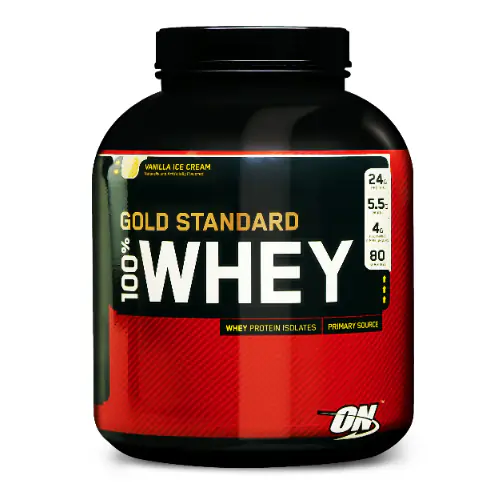
What is whey protein?
Milk contains two main proteins, casein and whey. When milk is made into cheese, the liquid left over is whey. This is filtered and dried into the powder sold in tubs.
Protein is a basic building block of the body, and your muscles are largely made of it. Whey is a complete protein, which means it has all the essential amino acids your body cannot make itself. It is especially rich in the three branched-chain amino acids (BCAAs): leucine, isoleucine and valine. Your body uses these to build, repair and maintain muscle, and leucine in particular helps switch on muscle building.
Whey is popular with athletes because it is digested and absorbed quickly, and it is easy on most people's stomachs.
Concentrate, isolate and hydrolysate
- Whey concentrate is the most common and cheapest type. It still contains some lactose and fat.
- Whey isolate is filtered further, so it has more protein and very little lactose.
- Whey hydrolysate is partly broken down to digest even faster. It is usually the most expensive.
What are the benefits of whey protein?
Most benefits come from the protein itself rather than anything special in the powder. Whey makes it easy to get a good dose without cooking.
Building and keeping muscle
Combined with regular strength training, enough protein helps you build new muscle and increase muscle size and strength. It also helps you maintain the muscle you already have, which matters more as you get older or when you are cutting calories.
Fat loss and appetite
Protein keeps you fuller than carbohydrate or fat, so it can reduce food cravings and hunger. That can help with losing fat, as long as your total calories are under control. A shake is not a fat burner on its own.
Convenience
Whey is easy and convenient. A shake takes seconds to make and saves cooking a meal straight after training. It is also very easily absorbed by the body.
Heart health and immunity
Some studies suggest whey may help support healthy cardiovascular function, such as small improvements in blood pressure. Whey also contains compounds that play a part in the immune system. The evidence for both is modest, so treat them as possible extras rather than reasons to take it.
Whey protein side effects
For most healthy adults, whey in normal amounts is safe. Problems usually come from taking too much, from a dairy intolerance or allergy, or from an existing health condition.
Stomach and digestive problems
The most common side effects are digestive. People report stomach cramps, abdominal pain, bloating, lots of wind, nausea, vomiting, diarrhoea and loose stools, more frequent bowel movements and sometimes constipation. Others mention headaches, dizziness, increased thirst, tiredness and fatigue. These are usually linked to large doses, lactose, or sweeteners and other additives in the powder.
Lactose intolerance and milk allergy
If you are lactose intolerant, whey concentrate may upset your stomach. An isolate is often better tolerated, as it contains very little lactose. A milk allergy is different. It is an immune reaction to milk protein, so people with a milk allergy should avoid whey protein completely.
Kidneys, liver and bones
It is often claimed that taking whey in excess causes kidney stones, liver damage and osteoporosis. For healthy people eating sensible amounts, good evidence of this is lacking. Our tips for staying fit and healthy suggest getting most of your protein from food, which keeps your intake in a sensible range anyway. Even so, there are real cautions:
- People with kidney disease should not follow a high-protein diet unless their doctor or dietitian advises it, as extra protein adds work for damaged kidneys.
- If you have had kidney stones, a very high protein intake may raise your risk, so check with your GP.
- Some supplements have been found to contain unlisted ingredients that can harm the liver. Choose a reputable brand that has been independently batch-tested.
- High protein intake does not appear to harm bones in people who get enough calcium.
How much protein do you actually need?
The UK reference amount for adults is about 0.75g of protein per kilogram of body weight each day. People who do regular strength training often benefit from more, commonly around 1.2 to 1.6g per kilogram. For a 70kg (11 st) person, that is roughly 84 to 112g a day.
Many people reach this from food alone through meat, fish, eggs, dairy, beans and lentils. A typical scoop of whey adds around 20 to 25g, so check the label. One or two scoops a day is plenty for most people. Total daily protein matters far more than exact timing, though a shake after training is a handy habit.
Who should avoid whey or check first?
- anyone with a milk allergy
- people with kidney or liver disease
- anyone who has had kidney stones
- pregnant or breastfeeding women, and anyone under 18
- people taking regular medicines, who should check with a pharmacist
If whey doesn't suit you, there are other options. Pea, soya and rice protein powders are dairy-free. You can also add more protein-rich food, such as Greek yoghurt, eggs, milk, tinned fish or beans. When you buy any powder, read the label for added sugar, sweeteners and the protein content per scoop.
Using whey protein sensibly
Too much of anything can be harmful, whether it is water or a high-quality protein like whey. If you exercise regularly, you need a good amount of protein, and most of it should come from a balanced diet. Whey can then top up your intake when food alone falls short.
Taken in the recommended amount, it can be a healthy and practical part of your training. For more on building size safely, see our weight gain diet plan, or browse the body building section for exercises to pair with it.
More in Your Life

Staying trim Without Hitting the Gym Everyday
Busy weeks leave little time for yourself, let alone a trip to the gym. Even so, you can stay trim without going every day. Small habits spread through your day add up,…
Read more
5 Injury Prone Exercises in Gym
These days almost everyone works out to stay healthy, from teenagers to busy working women. For many people the gym is the most convenient way to control their weight, build muscle, stay…
Read more
Health Benefits of Papaya
Papaya is a sweet, juicy tropical fruit that is also good for you. It is easy to find all year round, and it is rich in vitamin C, vitamin A and beta-carotene.…
Read more