
Front Squats
Front squats are a variation of the classic back squat that can help you build a strong, well-shaped lower body. The only real difference is where the bar sits. In a front squat it rests across the front of your shoulders, ahead of your shoulder blades, instead of behind your neck. That small change shifts the work towards the quadriceps at the front of your thighs.
Front squats are often done badly, and poor technique leads to injuries that can keep you out of the gym. Below we compare the lift with a back squat and look at the muscles it works. Then we cover the two ways to hold the bar and go through the correct form step by step.
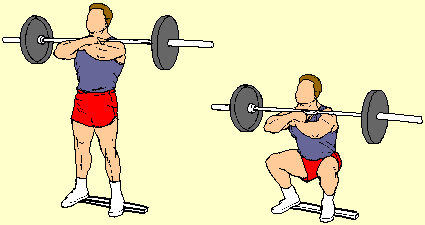
How is a front squat different from a back squat?
With the bar in front of you, your body has to stay much more upright to keep it balanced. If you lean forward, the bar wants to roll off. This upright position puts more load on your quads and less on your lower back than a back squat with the same weight.
Above all, let your shoulders hold the bar rather than your wrists. The bar sits in the groove between your shoulders and collarbones, and your hands simply keep it in place. If you try to support the weight with your hands, your wrists will soon hurt.
You will also find you cannot lift as much. Most people front squat noticeably less than they back squat, so lower the weight when you first switch.
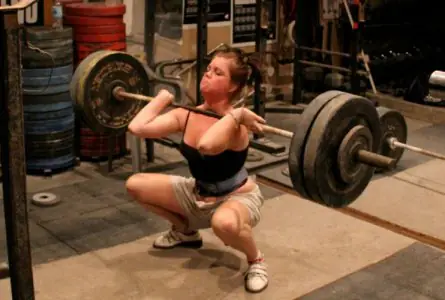
Which muscles do front squats target?
The quadriceps are targeted the most. These four muscles at the front of the thigh straighten your knee as you stand up from the bottom position. The gluteus muscles and the hamstrings work hard too, especially as you drive out of the bottom of the squat.
Your upper back and core also get a strong workout. They have to stay tight to stop your chest dropping and the bar rolling forward. Many lifters find front squats improve their posture in other lifts as a result.
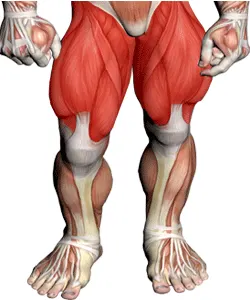
Clean grip or cross-arm grip?
There are two ways to hold the bar for front squats. Both keep the bar resting on your shoulders, but they feel quite different.
Clean grip
Your hands sit just outside your shoulders with your palms facing up and your fingertips under the bar. Your elbows point forward and high. This is the grip used in Olympic weightlifting, and it is the one to start with as a beginner. It holds the bar securely once your wrists are flexible enough.
Cross-arm grip
You cross your arms in front of you and rest each hand on top of the bar on the opposite shoulder. It needs less wrist flexibility, but it is harder to control. Beginners often find the bar rolls down when their elbows drop, so save this grip until you are confident with the movement.
Warm up your wrists first
Whichever grip you use, always stretch your wrists and triceps before you start. Gentle wrist circles and an overhead triceps stretch will make the rack position far more comfortable.
How to do front squats with correct form
- Set a barbell of suitable weight in a squat rack at about chest level and stand facing it.
- Lift your chest, raise your elbows high and keep your hands open.
- Step in so the bar rests across the front of your shoulders. Take your chosen grip and lift the bar off the hooks.
- Step back and set your feet about shoulder-width apart. Turn your toes out 30 to 45 degrees, pointing in the same direction as your knees.
- Breathe in and sit back and down into the squat, keeping your chest and elbows up.
- Lower yourself until your hip joint is level with your knee joint.
- Breathe out as you rise back up, squeezing your hamstrings, quadriceps and glutes at the top.
Sitting back with good form can feel tricky at first. It puts more work on your hip muscles, and it takes practice to stay upright while you do it. Use an empty bar until the movement feels natural. Strong glutes make sitting back easier, and lunges are a good way to build them on the side.
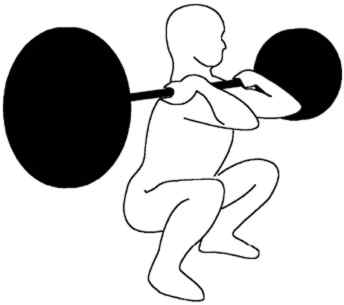
Checking your own form
Film a set from the side on your phone. Check how high your elbows stay and how upright you remain at the bottom of each rep.
Common front squat mistakes
- Holding the weight in your hands. This strains your wrists. Let your shoulders carry the bar.
- Dropping the elbows. As your elbows fall, your chest follows and the bar rolls forward. Think "elbows up" on every rep.
- Rounding the upper back. Keep your chest proud and your back tight from start to finish.
- Heels lifting. Keep your weight spread across your whole foot. If your heels rise, work on ankle mobility and squat a little less deep for now.
Where front squats fit in your leg training
Do 3 sets of 10 to 12 repetitions, resting one to two minutes between sets. Start light and add weight only when every rep looks the same as the first.
Front squats are a variety of the back squat rather than a replacement for it. If you want to lift heavy on front squats, focus mainly on back squats. The strength you build there will carry over. A sensible plan is to make back squats your main lift and use front squats as a second exercise. You could also swap them in for a few weeks to give your lower back a lighter load.
Who are front squats good for?
Front squats suit anyone who wants stronger, more defined quads. They are also useful if back squats leave your lower back tired, because the upright position takes some of the strain off. Lifters who play sports often like them too, since holding a tall, braced posture under load carries over well to running and jumping.
If you have wrist, shoulder or elbow problems, the rack position may be uncomfortable. Try the cross-arm grip or use lighter weights. If pain continues, speak to a GP or physiotherapist before you carry on.
You can round off the session with the leg press or leg extensions for extra quad work. For more ideas, browse our leg exercises and build a routine that suits your goals.
More in Legs Exercises
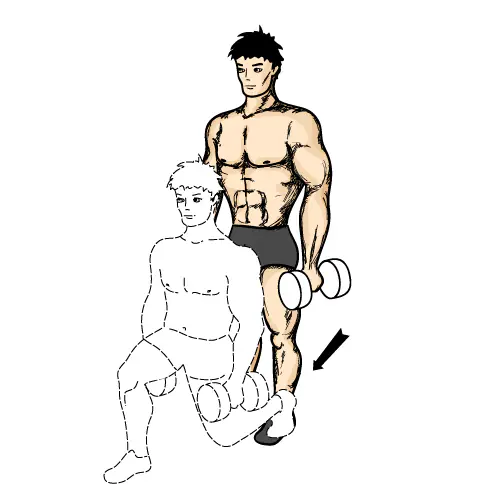
Lunges
Lunges are a simple, effective leg exercise that you can do with a pair of dumbbells or just your body weight. You step forward, lower your back knee towards the floor and…
Read more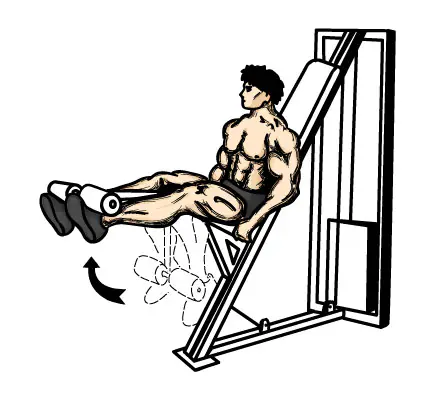
Leg Extension
The leg extension is one of the most common leg exercises in any gym. You sit on a machine with a padded lever in front of your shins and straighten your knees…
Read more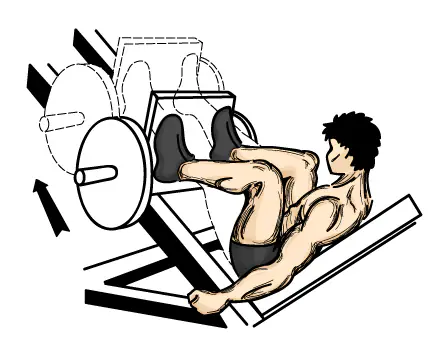
Leg Press
The leg press is one of the most popular ways to tone and build your legs. You sit in a machine and push a weighted platform away from your body using only…
Read more