
Deadlift
The deadlift is one of the best compound exercises you can do. In a single movement you lift a loaded barbell from the floor to standing, using your legs, hips, back and grip together. It increases the size and strength of your back muscles and builds overall strength and structure across your whole body.
It also has a reputation as one of the lifts most often linked to injuries among bodybuilders. Almost all of those problems come from poor form or too much weight too soon. This guide explains what the deadlift does, how to perform it step by step and the precautions that keep your back safe.
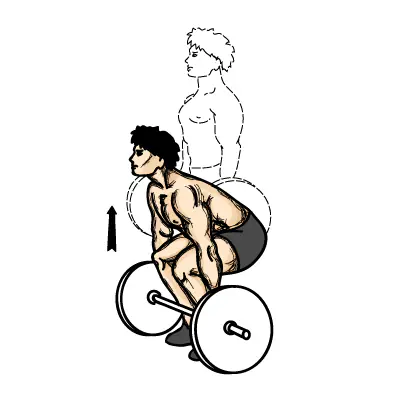
Why is the deadlift worth learning?
Most gym exercises train one or two muscle groups. The deadlift trains dozens at the same time, which makes it very efficient. For that reason it earns a regular place in strength and bodybuilding plans, and it helps build a well-proportioned upper body.
It carries over to daily life as well. Picking up a heavy bag, a toddler or a box from the floor is a small deadlift. Learning to do it with a flat back and strong hips makes those everyday lifts safer.
Your arms benefit too. The forearms and biceps work hard to hold the bar still, so regular deadlifts help you build bigger, stronger arms and a firmer grip. Once you have learned the technique, it deserves a place in your training most weeks.
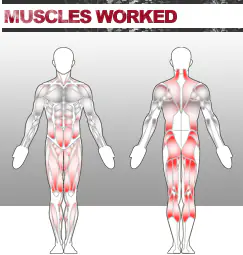
Which muscles does the deadlift work?
The deadlift works a wide range of muscles, including your abdomen, back, legs, hips and forearms. Each area has its own job during the lift.
- Back: the muscles along your spine keep it straight, while your lats and traps hold the bar close to your body.
- Hips and glutes: these drive the bar up by pushing your hips forward to stand tall.
- Legs: your hamstrings and thighs push against the floor, much as they do in a squat.
- Abdomen: your core braces like a belt to protect your spine.
- Forearms: your grip has to hold the whole weight from start to finish.
How to deadlift with correct form
The deadlift is a little tricky to master. It needs balance and plenty of coordination, and you risk injury if you get it wrong. Follow these steps in order and always start with a light weight.
Stance and grip
- Getting the right stance is the first and most important step. Stand with the bar over the middle of your feet and your feet slightly less than hip width apart.
- Bend down and place your hands on the bar about shoulder width apart. You can use a normal overhand grip or an alternate grip, with one palm facing you and one facing away. The alternate grip is often preferred, especially by beginners, because the bar is less likely to roll out of your hands. Switch which hand faces you from set to set to keep things balanced.
- Set your posture. Keep your back straight and your spine neutral, with your chest slightly lifted and your eyes looking a little ahead of you.
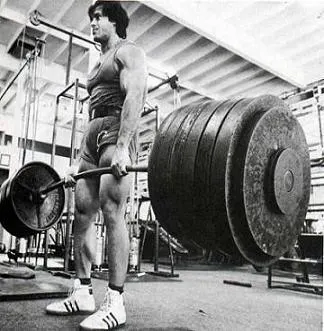
Lifting the bar
- Take a breath, brace your stomach and lift the bar, keeping your shoulders and back straight and your arms tight on the bar.
- Push the weight up with your legs, with your chest pushed outwards at the front. Keep your body aligned and your back straight at all times.
- Finish by standing tall with your hips pushed through. Do not lean back at the top.
Lowering the bar
- Slowly lower the weight to the starting position, keeping your back straight. Push your hips backwards first, then bend your knees once the bar passes them.
- One repetition ends when the bar touches the floor. Reset your back before the next rep.
Practise the movement before you load the bar
The hip hinge is the part of the deadlift most people find hardest to learn. Before your first proper session, practise it with an empty bar or a broom handle. Push your hips back, keep the bar close to your legs and stand up by driving your hips forward. Filming a set from the side on your phone is the quickest way to check that your back stays flat.
Tips and precautions for a safe deadlift
Most deadlift injuries can be avoided with patience and a sensible load. Other popular lifts have their own risks, and our guide to injury-prone exercises in the gym covers five of them. For the deadlift, follow these rules.
- Warm up properly. A few minutes of light cardio and some easy sets with a light bar prepare your back and hips. Lift light weights at first, especially if you are a beginner.
- Look after your back. If you have back problems, avoid this exercise or use dumbbells instead of a bar. Speak to your GP or a physiotherapist if you have an existing injury.
- Do not lift too heavy. Rounding your back to move a weight is the main cause of deadlift injuries. Have a spotter or training partner near you, and stop the set as soon as your form slips.
- Keep the bar close. The bar should travel in a straight line, almost brushing your legs. A bar that drifts forward pulls on your lower back.
How many sets and reps should you do?
Do 2–3 sets of 10–12 repetitions. That range lets you practise the pattern many times while keeping the weight moderate. Rest for two to three minutes between sets, because the deadlift tires your whole body. Add weight slowly, and only when every rep looks the same as the first.
Because it is so demanding, one deadlift session a week is plenty for most people. Place it early in your workout, while you are fresh, rather than after a long back session.
Variations for variety
Romanian deadlifts are a good alternative now and then. You start standing, keep your knees softly bent and lower the bar only to mid-shin, which targets the hamstrings and glutes. You can also change the range of motion. Lifting from blocks shortens it, which helps you work on the top half of the lift.
Building a complete strength routine
The deadlift sits at the heart of a strength plan alongside two other big lifts. Squats build your legs and are often called the king of all exercises, while the bench press builds bigger pecs and pressing strength. Training all three each week covers almost every major muscle in your body.
If you want to strengthen your lower back for heavier pulls, add back hyperextensions at the end of your session. You can find more ideas in our best back exercises section.
More in Back Exercises
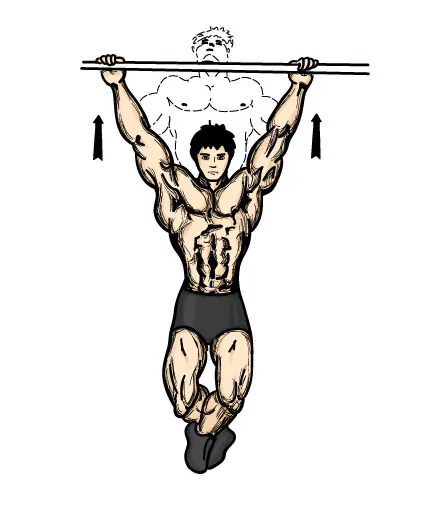
Pull Ups for Back
Pull-ups are among the oldest strength exercises there are, and they are still widely seen as the king of back exercises. You hang from a bar and pull your own bodyweight up…
Read more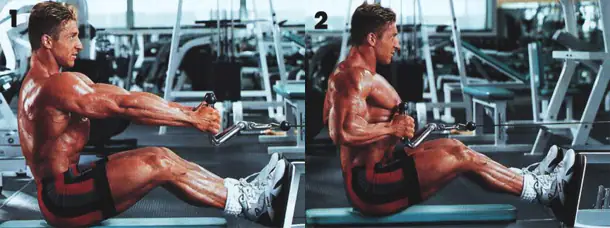
Seated Cable Rows
Seated cable rows are one of the most reliable ways to build a thicker, stronger back. You sit at a low cable station, pull a V-bar handle towards your stomach and let…
Read more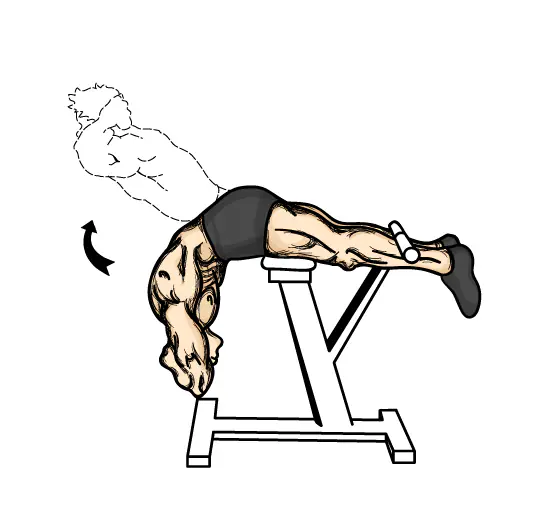
Back Hyperextension
The back hyperextension is a lower back exercise performed on a hyperextension bench, sometimes called a Roman chair. You lock your legs against the pads, lower your upper body towards the floor…
Read more