
Brock Lesnar Wokout
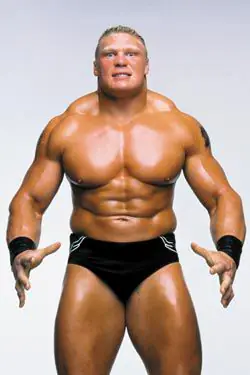
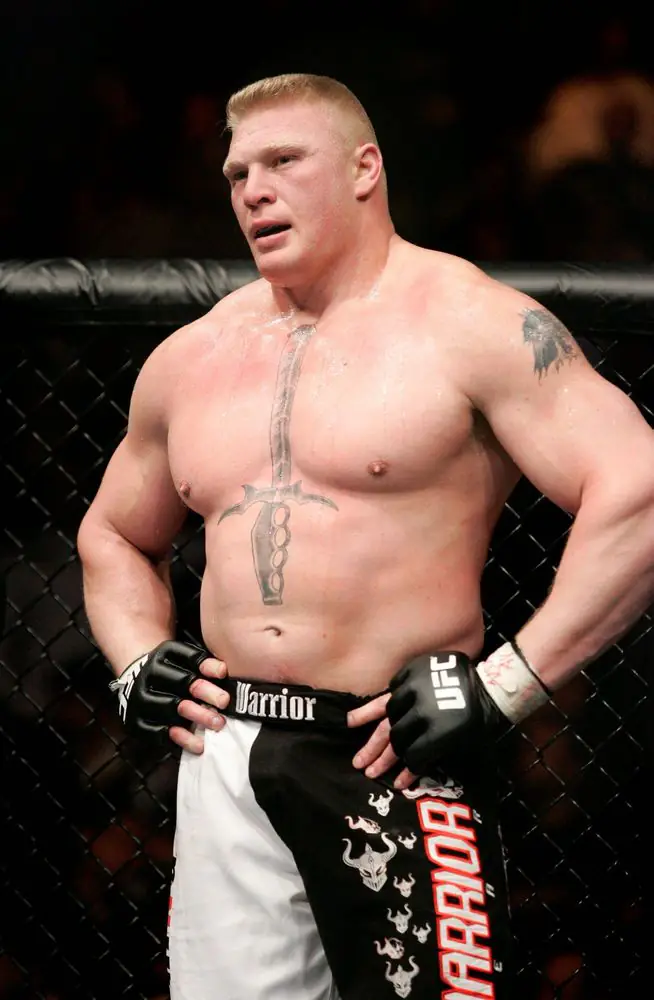
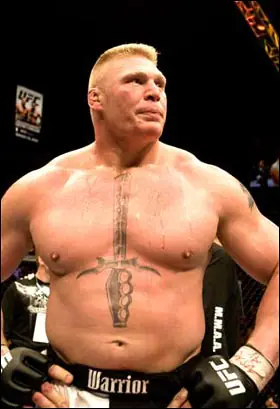
Brock Lesnar is a former WWE superstar with one of the most powerful and intimidating physiques in sport. This page sets out the Brock Lesnar workout routine as it was reported, day by day, with every set and rep. It also explains why the plan is built the way it is and how you can scale it down for your own training.
In brief, he followed a classic five-day bodybuilding split. Each session hits one or two muscle groups hard, and three rest days give his body time to recover. The plan looks simple on paper, but the loads and volume make it very demanding.

Brock Lesnar's height, weight and background
Lesnar was born on 12 July 1977 in Webster, South Dakota. He is a three-time WWE champion and has also held the UFC Heavyweight Championship. That mix of wrestling and mixed martial arts is a big part of why people search for his training.
| Born | 12 July 1977, Webster, South Dakota |
|---|---|
| Height | 191 cm (6 ft 3 in) |
| Weight | 125 kg (276 lb) |
| Titles | Three-time WWE champion, UFC Heavyweight Champion |
Brock Lesnar's weight of 125 kg (276 lb) puts him at the very top of the heavyweight range. Even so, his movement has often been described as quicker than that of athletes around 45 kg (100 lb) lighter. The routine below is designed to build that kind of size without losing speed.
How is his training week laid out?
The plan runs on a "body part split". Instead of training the whole body every session, you give each area its own day. You can then do a lot of work for one muscle group and leave it alone for a full week.
- Monday: chest and triceps
- Tuesday: back, hamstrings and biceps
- Wednesday: rest day
- Thursday: shoulders and traps
- Friday: legs
- Saturday: rest day
- Sunday: rest day
The pairings make sense. Your triceps already help on every chest press, so finishing them off on Monday is efficient, and the same goes for biceps after the pulling movements on Tuesday. The mid-week break also stops Thursday's pressing from landing on tired shoulders straight after chest day.
The Brock Lesnar workout, day by day
Monday: chest and triceps
- Bench press: 6 sets of 12 reps
- Dumbbell fly: 4 sets of 8 reps
- Dumbbell press: 4 sets of 6 reps
- Cable crossover: 3 sets of 8 reps
- Chest dips: 4 sets of 8–10 reps
- Pressdown: 4 sets of 6–8 reps
- Flat triceps extension: 3 sets of 10 reps
The session opens with a high-volume flat barbell bench press, then moves to dumbbells and cables. The heavier six-rep dumbbell work builds pressing strength. Flyes and crossovers stretch and squeeze the chest without needing big loads.
Tuesday: back and biceps
- Pull-ups: 4 sets of 6 reps
- Pull-downs: 4 sets of 6 reps
- Seated cable rowing: 4 sets of 6 reps
- Leg deadlift: 6 sets of 12 reps
- Preacher curl (EZ bar): 3 sets of 12 reps
- Dumbbell curls: 3 sets of 12 reps
- Hammer curls: 3 sets of 12 reps
Pull-ups, pull-downs and rows train your lats and upper back, which give a wrestler pulling power in the clinch. The leg deadlift works the hamstrings, glutes and lower back. If you are new to it, read our guide to the deadlift before loading the bar, because form matters more here than anywhere else.
Thursday: shoulders and traps
- Dumbbell front raises: 3 sets of 12 reps
- Dumbbell lateral raises: 3 sets of 12 reps
- Upright row: 4 sets of 6 reps
- Dumbbell presses: 4 sets of 6 reps
- Barbell presses: 6 sets of 12 reps
- Shrugs: 4 sets of 15 reps
Front and lateral raises warm up the front and side of the shoulder before the heavier presses. Shrugs at 15 reps build the thick trapezius muscles that protect a fighter's neck and give that broad, sloping look.
Friday: legs
- Leg extensions: 3 sets of 12 reps
- Leg curl: 3 sets of 12 reps
- Squats (close, medium and wide stance): 4 sets of 6 reps
- Leg presses: 6 sets of 6 reps
Extensions and curls act as a warm-up for the knees before the heavy work. Changing the squat stance shifts the emphasis. A close stance leans on the front of the thighs, while a wide stance brings in more of the glutes and inner thighs. Our page on squats covers the technique for each.
Why does this plan suit a heavyweight fighter?
The routine mixes two kinds of work. Sets of around six reps with heavy weights mainly build strength. Sets of 12 to 15 reps with moderate weights add muscle size and muscular endurance. A fighter needs both, so you see both on almost every day.
The total volume is high, with up to six sets on the main lifts, and that only works because of the three rest days. Your muscles repair and grow in the days between sessions. For someone also doing wrestling or fight practice, those days away from the weights matter even more.
Be realistic about it, though. This plan reflects an elite professional with years of training behind him and a full-time schedule built around recovery. Copying it set for set as a beginner is more likely to leave you sore and injured than strong.
How can you adapt it safely?
A scaled-down version for beginners
Keep the same five-day layout and the same exercises, but cut the volume. Start with 2 to 3 sets per exercise instead of 4 to 6. Use a weight you can lift for every rep with clean form, stopping a rep or two short of failure.
- Swap pull-ups for assisted pull-ups or extra pull-downs until you can do several in a row.
- Do chest dips with your feet on a bench, or skip them until your shoulders feel strong.
- Choose one squat stance at first rather than all three.
- Add a set every week or two only when you recover well between sessions.
What to watch out for
Upright rows and dips can irritate the shoulder joint, especially with heavy loads. Keep upright rows to a moderate weight and stop the bar at chest height. Warm up with lighter sets before every heavy lift, and never let your lower back round on the deadlift. Our list of injury-prone exercises in the gym explains these risks in more detail.
Eat enough protein and total calories to support the work, and sleep well. If either is lacking, progress on even a sensible plan tends to stall.
Where to start this week
Pick the scaled-down version, write your weights down each session and aim to add a little load or a rep over time. After eight to twelve weeks of steady training, you can judge whether to add sets towards the full plan. For more ideas from other famous physiques, browse our celebrity workout routines.
More in Male Celebs Workout

Cristiano Ronaldo Workout Routine
The Cristiano Ronaldo workout routine is built around football first and the gym second. He trains no more than five days a week, mixing long football sessions with cardio and targeted strength…
Read more
Shahrukh Khan Diet and Workout Tips
Shahrukh Khan, often simply called SRK or King Khan, is one of the most famous film stars in the world, with millions of fans following him wherever he goes. He is also…
Read more
Batista Workout and Diet
The Batista workout is a three-day split built on moderate weights and plenty of sets, finished with 20 minutes of cardio. His diet is high in protein and low in fat, with…
Read moreComments (1)
Show / hide
Comments are closed. These comments were preserved from the original site.
#1 Homepage
very nice post, thanks