
Guide to Gain Weight
To gain weight in a healthy way, eat more calories than you burn and spread them across regular meals. Add strength training so the extra weight goes on as muscle. This guide to gaining weight explains how to do that and gives you a full day's eating plan to follow.
The plan suits anyone who has a hard time gaining weight and wants a natural gain of a few kilograms, roughly 3 to 6 kg (7 to 13 lb). The portions are generous, so it also works well for heavy weight gainers who need plenty of food to see results.
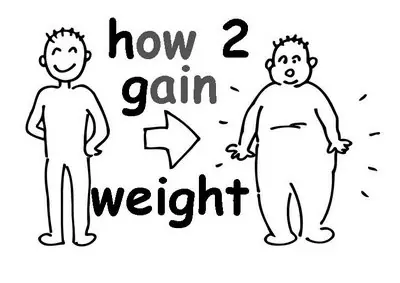
Muscle or fat: which kind of weight do you want?
Not all weight gain is the same. Muscle gain comes from bodybuilding, where strength training makes your muscles grow in size. Muscle is the kind of weight most people are hoping for when they want to look less skinny.
If the extra weight comes mainly from overeating and increased fat stores, the picture is different. You can end up overweight, carrying more body fat than is healthy. Eating lots of junk food to bulk up can raise your risk of heart disease and type 2 diabetes, even if you started out slim.
You can choose simply to gain some weight, or to build a muscular body as you gain. Either way, eating well and doing some strength training will give you a better result than eating more alone.
Why do some people find it hard to gain weight?
Gaining weight depends on a number of factors. Some people are naturally slim, with a small appetite or a body that burns energy quickly. Others are very active, either at work or through sport, and simply do not eat enough to cover it.
Stress, poor sleep and a busy routine that leads to skipped meals can all play a part. Some medical conditions, such as an overactive thyroid or digestive problems, also make weight gain difficult. If you have lost weight without trying, see your GP before you start a weight gain plan.
How many calories do you need to gain weight?
Start by finding your maintenance level with our daily calorie intake calculator. Then aim to eat about 300 to 500 calories a day more than that figure. This should lead to a steady gain of around 0.25 to 0.5 kg (0.5 to 1 lb) a week.
Note: to support a healthy metabolism and keep your energy steady, have a small meal every three hours. Spreading food out like this is much easier than forcing down two or three huge meals. It also keeps a regular supply of protein reaching your muscles.
Daily diet plan for heavy weight gainers
The plan below covers a full day of meals. Adjust the timings to fit your day, keeping roughly three hours between each.
Breakfast
- 6 whole eggs and a 6-egg omelette
- Half a cup of thinly sliced onions
- 1 cup of thinly sliced mushrooms
- 1 teaspoon of olive oil
- 1 cup of thinly sliced green peppers
- Salt and pepper, to taste
- 2 low-fat chocolate milks
Fry the vegetables gently in the olive oil and add them to the omelette. Twelve eggs is a big portion, so build up to it gradually. You can also swap some whole eggs for egg whites if you want more protein with less fat.
Morning snack
- A weight gainer shake made with 2 cups of low-fat milk
- 2 bananas
- Half a cup of oatmeal
- 1 serving of ice cream, which adds extra calories
- 1 spoonful of honey stirred into the milk, if you like
You can blend the bananas, oats and ice cream into the shake, or eat them alongside it. Our article on whey protein benefits and side effects explains what to look for in a protein powder.
Lunch
- A dressed salad with a low-fat dressing
- 250 g of canned tuna
- 1 to 2 boiled potatoes
- 1 serving of fresh fruit juice
Tuna is a lean, cheap and convenient source of protein. The potatoes add starchy carbohydrate, which gives you energy for training.
Evening snack
- 1 to 2 grilled chicken pieces
- 1 banana
- A grilled chicken or vegetable sandwich
Dinner
- 100 to 150 g of grilled fish
- 1 serving of cooked brown rice
- Half a cup of cooked vegetables
- 1 glass of water
Brown rice gives you slow-release energy and more fibre than white rice. Choose oily fish such as salmon or mackerel at least once a week for healthy fats.
Late-night snack
- 1 cup of broccoli
- 2 cups of cooked white rice
- 50 to 100 g of grilled chicken breast
This last meal tops up your calories and protein before bed. If a full meal this late does not suit you, eat it earlier in the evening instead.
Pairing the plan with strength training
Food gives your body the raw materials, but training tells it to build muscle. Aim for three or four strength sessions a week, each lasting 45 to 60 minutes.
Base your workouts on compound lifts, which use several large muscles at once. Good choices include squats, the deadlift, the bench press and rows. Do 3 to 4 sets of 6 to 12 reps, and add a little weight each week when you can complete all your reps with good form.
Keep cardio short and light, as too much burns the calories you are working to eat. Rest days and seven to nine hours of sleep a night matter just as much, because muscles repair and grow while you recover.
Tracking progress and staying healthy
Weigh yourself once a week, on the same day and at the same time. If the scales have not moved for two weeks, add a little more food, such as an extra banana or another glass of milk. If you are gaining faster than about 0.5 kg a week, cut back on the ice cream and chocolate milk first, as that extra is likely to be fat.
Check your BMI every month or so to make sure you stay within the healthy range. If you only want a lighter gain of 3 to 5 kg, try our gentler weight gain diet plan instead. Give whichever plan you choose a few months, as a gain of a few kilograms takes time to build.
More in Gain Weight

Weight Gain Diet Plan
This weight gain diet plan is designed for lean mass gainers who want to put on around 3 to 5 kg (7 to 11 lb). It also suits hard gainers, the naturally…
Read more