
Channing Tatum Body Diet and Stats
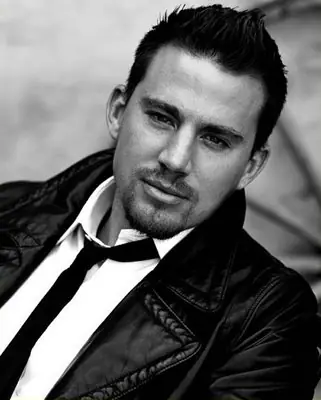
Channing Tatum is 185 cm (6 ft 1 in) tall and weighs around 200 lb (91 kg). He is known for his good looks and a powerful, athletic body, and he eats six times a day to support it. His meals are built around lean protein, vegetables and healthy fats, with most of his starchy food saved for after training.
This page covers Channing Tatum's body stats and measurements, then sets out his daily diet meal by meal. We explain why each part of the plan makes sense for a muscular build, and how you could adapt it safely for your own goals.

Channing Tatum's stats and measurements
Tatum is an American actor and film producer who has shot to fame in the last few years. His good looks earned him work as a model early on, and he showed off his dancing skills in Step Up in 2006. At the time of writing, his latest film was 21 Jump Street, which had a great response.
| Real name | Channing Matthew Tatum |
|---|---|
| Born | 26 April 1980 (aged 31 at the time of writing) |
| Occupation | Actor, film producer, dancer and model |
| Years active | Since 2000 |
| Height | 185 cm (6 ft 1 in) |
| Weight | Around 200 lb (91 kg, or 14 st 4 lb) |
| Spouse | Jenna Dewan, married on 11 July 2009 |

Is 200 lb heavy for someone 185 cm tall?
A height of 185 cm works out at 6 ft 0.8 in, so most people round it to 6 ft 1 in. His weight of 200 lb is 90.7 kg. Body mass index (BMI) divides weight in kilograms by height in metres squared. For Tatum, that is 90.7 ÷ (1.85 × 1.85), which gives a BMI of about 26.5.
The standard healthy range is 18.5 to 24.9, which at 185 cm means roughly 63 kg to 85 kg. On paper, then, he is around 6 kg into the overweight band. For a muscular man, that label tells you very little. BMI cannot tell muscle from fat, and a trained body with broad shoulders and thick legs tends to score high.
If your own BMI is above 25, measure your waist. Keeping it under half your height is a better sign of health than the BMI figure alone. Try our BMI calculator as a starting point.

Channing Tatum's diet, meal by meal
His daily eating plan is set out below. Ounces have been converted to grams, rounded to the nearest 5 g.
Breakfast
- A 3-egg omelette cooked in coconut oil
- Filled with spinach, broccoli, avocado and mushrooms
Pre-workout meal
- 1 grapefruit
- 170 g (6 oz) chicken

Post-workout meal
- A protein shake made with protein powder and low-fat milk
- Fresh fruit
Late lunch
- 225 g (8 oz) lean meat
- A baked sweet potato with coconut oil
- Green salad with olive oil and vinegar
Dinner
- 225 g (8 oz) salmon
- Grilled asparagus
- A dressed salad
Before bed
- Low-fat cottage cheese with almond butter and sugar-free jam
This snack is Channing Tatum's last meal of the day.
Why does this diet suit a muscular body?
Protein at every meal
Each of his six meals contains a good source of protein: eggs, chicken, milk and protein powder, lean meat, salmon and cottage cheese. Spreading protein through the day gives your muscles a steady supply of building material. This matters most when you train hard and want to keep or add muscle.
Carbohydrates where they count
Most of his starchy carbohydrate comes from the sweet potato at his late lunch, after training. The fruit after his workout adds some quick carbohydrate too. Eating carbs around exercise helps refill your energy stores, while the rest of the day stays lighter on starch.
You can move this around to fit your own day. If you train first thing in the morning, have your sweet potato, oats or rice at breakfast instead. If you train in the evening, make dinner the meal with the larger portion of starchy food. If your goal is size rather than leanness, our weight gain diet shows how to add more starchy food across the day.
Plenty of vegetables and healthy fats
Spinach, broccoli, mushrooms, asparagus and two salads give him fibre, vitamins and minerals. Avocado, salmon, olive oil and almond butter supply healthy fats. Salmon is also an oily fish, and UK advice is to eat at least one portion of oily fish a week.
A slow-digesting snack before bed
Cottage cheese is rich in casein, a milk protein that the body digests slowly. That makes it a popular bedtime choice for people who lift weights. Almond butter adds healthy fats, and sugar-free jam keeps the sweetness without much sugar.
How can you adapt it for your own goals?
His plan is built for a large, very active man. Most readers will need smaller portions. Start by finding your daily needs with our daily calorie intake calculator, then scale the meat and fish portions up or down to suit.
- Go easy on coconut oil. It is high in saturated fat, so the NHS advises using it sparingly. Olive or rapeseed oil are good swaps.
- Check before eating grapefruit. It can interact with some medicines, including certain statins and blood pressure tablets. If you take regular medication, ask your pharmacist or GP first.
- Food first, shakes second. A protein shake is handy after training, but it is not essential. Read our guide to whey protein benefits and side effects before you buy.
- Keep the costs down. Tinned salmon, frozen vegetables, chicken thighs and eggs all keep the plan affordable.
A vegetarian version
The same structure works without meat or fish. Keep the eggs at breakfast and the cottage cheese at bedtime. Swap the chicken for Greek yoghurt or a bean salad before training. Replace the lean meat at lunch with tofu, paneer or a lentil curry. At dinner, try a chickpea and vegetable stew or a tempeh stir-fry instead of salmon.
If you do not eat oily fish, you will miss out on its omega-3 fats. Walnuts, ground flaxseed and chia seeds contain a plant form of omega-3, so add a spoonful to your breakfast or yoghurt.

A simple way to start is to copy his breakfast and bedtime snack, and add a portion of oily fish each week. If you like this kind of plan, browse more celebrity diets for ideas.
More in Male Celeb Statistics

Justin Bieber Height Weight
Justin Bieber is 5 ft 7 in (1.70 m) tall and weighs around 56 kg (123 lb). That makes him slim, with a BMI towards the lower end of the healthy range.…
Read more
David Beckham Stats
David Beckham stands 6 ft (183 cm) tall and weighs about 74 kg (163 lb). That is a lean, light frame for his height, and it suits the way he plays. Beckham…
Read more
George Clooney Height Weight
George Clooney is 5 ft 11 in (180 cm) tall and weighs around 75 kg (166 lb). That is a trim, healthy weight for his height, and it gives him a BMI…
Read more