
African Diet
A traditional African diet is built around starchy staples. Maize (corn), millet, sorghum, yams, cassava and plantains form the base of most meals, served with vegetables, pulses and, in many regions, meat or fish. Africa has 54 countries and hundreds of food cultures, so there is no single African diet, but this starch-centred pattern runs through much of the continent.
This guide looks at how people traditionally eat in southern, eastern and western Africa. It covers the main foods of each region, the influences that shaped them and what nutritionists generally see as their strengths. You will also find simple ways to bring some of these foods into your own cooking.
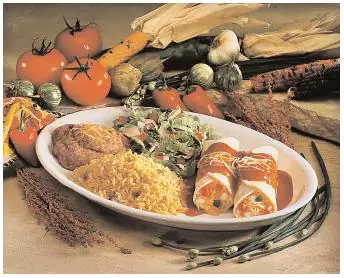
What is a traditional African diet based on?
Starch is the main ingredient in almost every traditional African meal. Grains such as maize and millet are ground and cooked into a thick porridge, or mush, which is eaten with the hands and used to scoop up stews and sauces. The same flours are also made into griddle cakes, flatbreads and coarse porridges similar to grits.
In some regions, meat is a regular part of the meal. In others it is kept for special occasions, and vegetables, beans and groundnuts (peanuts) provide much of the protein. Cooking tends to be slow and one-pot, with a stew or relish served beside the starchy staple.
North Africa, which this guide does not cover in detail, has its own staples. Couscous, made from steamed wheat semolina, is the best known and is often served with vegetables or in salads.
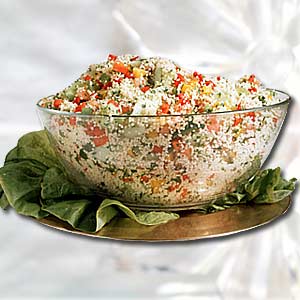
South African diet: maize, greens and many influences
The everyday staples
A starch-based diet is the most common pattern in South Africa. Cornmeal is central, most famously as pap, a stiff maize porridge eaten with stews, gravy or grilled meat. Sweet potatoes, yams and a wide variety of leafy greens are also important. Wild and garden greens, often cooked with onion and tomato, add fibre, iron and vitamins.
Indian and Malay influences
South African cooking reflects its mixed history. Indian communities, especially around Durban, and Cape Malay communities in the Western Cape brought curries, chillies and warm spice blends. Tomatoes and peanuts are also widely used, often in sauces and relishes. In parts of the wider region, especially along the coast, food is cooked in coconut oil or palm oil, which gives a rich flavour.
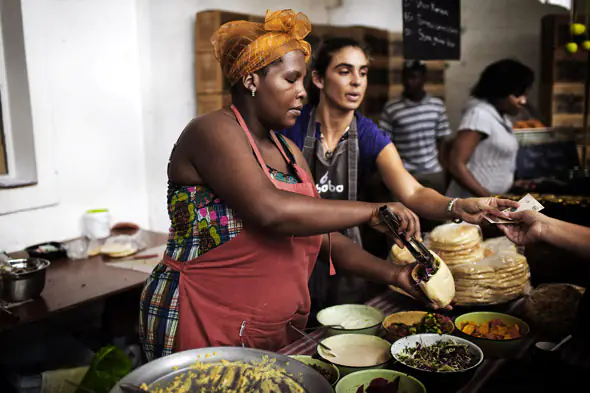
What do people eat in East Africa?
Starch is also the main ingredient of the East African diet, usually with a few simple accompaniments. Ugali, a firm porridge made from maize, millet or sorghum flour, is a staple in Kenya and Tanzania. In Uganda, steamed green cooking bananas, known as matoke, play a similar role. In Ethiopia, injera, a soft fermented flatbread made from teff, is the base of most meals.
Milk, bananas, millet and sorghum are everyday foods across much of the region. Milk is especially important among pastoralist communities, who herd cattle, goats and sheep. In many of these communities, livestock is valued as wealth and has deep cultural meaning. Animals are therefore not slaughtered casually, and meat has traditionally been eaten less often than milk, grains and bananas. Meat is more common at celebrations and family gatherings.
Fermented foods, such as soured milk and fermented flatbreads, are common too. Fermentation helps food keep without a fridge and gives a pleasant tang.
Greens and pulses round out the plate. In Kenya, ugali is often served with sukuma wiki, a dish of collard greens cooked with onion and tomato. Beans and lentils, slowly stewed with spices, are everyday sources of protein in many East African homes.
West African diet: stews, spice and starch
The West African diet is known for its rich, well-seasoned stews. Fish, chicken, goat and other meats are slowly cooked in sauces built on onions, tomatoes, chillies and oil, which cooks often use generously. Palm oil gives many dishes their deep red colour. Groundnut (peanut) stew and okra soup are popular across the region. If you enjoy comparing how food changes from place to place, our seasonal diet section has more articles on eating patterns like these.
Stews are served with a starchy side. Yams are a major crop, and they are boiled, fried or pounded into a smooth dough. Fufu, made from pounded yam, cassava or plantain, and banku, a fermented maize dough, are eaten daily in many homes. Homemade breads are common too.
Jollof rice is perhaps the best-known West African dish abroad. Rice is cooked in a spiced tomato and pepper sauce, and Nigeria, Ghana and Senegal each have their own proud versions.
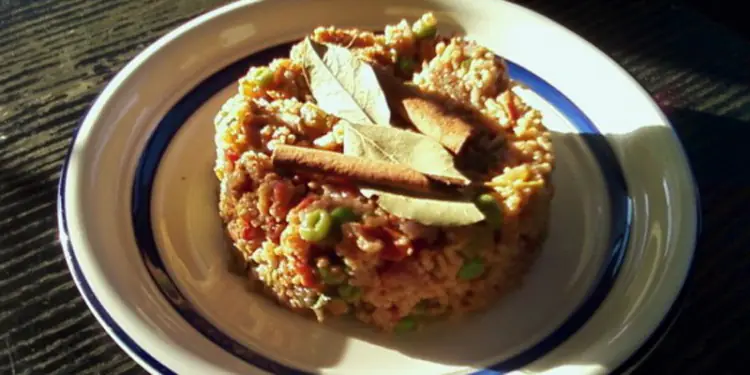
Is a traditional African diet healthy?
Traditional African eating patterns have a lot going for them. They are typically rich in whole grains such as millet, sorghum and teff, as well as beans, groundnuts, leafy greens and root vegetables. That means plenty of fibre and a fairly low intake of sugar and highly processed food.
There are a few things to watch. Palm oil and coconut oil are high in saturated fat, so use them in moderation. Stock cubes and salted fish can push up salt intake. In many cities, traditional diets are also giving way to more processed food, fried snacks and sugary drinks, which brings the same health risks seen elsewhere.
Starchy staples are filling but high in energy, so portion size matters if you are trying to manage your weight. Our daily calorie intake calculator can help you judge how much you need.
Bringing African staples into your own kitchen
Many of these ingredients are easy to find in UK supermarkets and African or Caribbean grocers. Sweet potatoes, plantains, okra, black-eyed beans and maize meal are widely sold, and millet and teff flour are in many health food shops.
- Swap a portion of rice or pasta for millet, sorghum or sweet potato.
- Make a groundnut stew with chicken or chickpeas, lots of vegetables and a modest amount of peanut butter.
- Add leafy greens, such as spinach or kale, to stews and serve them alongside the starch.
- Bake or boil plantain rather than frying it to keep the fat down.
Cooking dishes from these regions is a good way to add variety and fibre to your week. For more ideas on eating well, explore the rest of GoFitandHealthy, including our guide to losing weight.
Comments (2)
Show / hide
Comments are closed. These comments were preserved from the original site.
#1 Adriana
thanks for share!
#2 site
Brilliant, thank you, I will visit again later.